
All corners of the United Kingdom have created some of the best boxers to ever step inside the ring.
Whether that be up in the north, with Manchester raising the likes of Tyson Fury and the late-great Ricky Hatton or much further south in the capital city, London with Lennox Lewis, Chris Eubank Sr and Frank Bruno.
Throw a dart on the map of the UK and you’ll certainly be able to name some world class level boxers from that area.
Boxing is massive in the UK; it’s a fact which can’t be argued. The largest sporting events that take place in this country are boxing events.
Last year’s Eubank Jr vs Conor Benn two fight saga was one of the largest events, not just in the sporting world but in British culture as a whole last year.
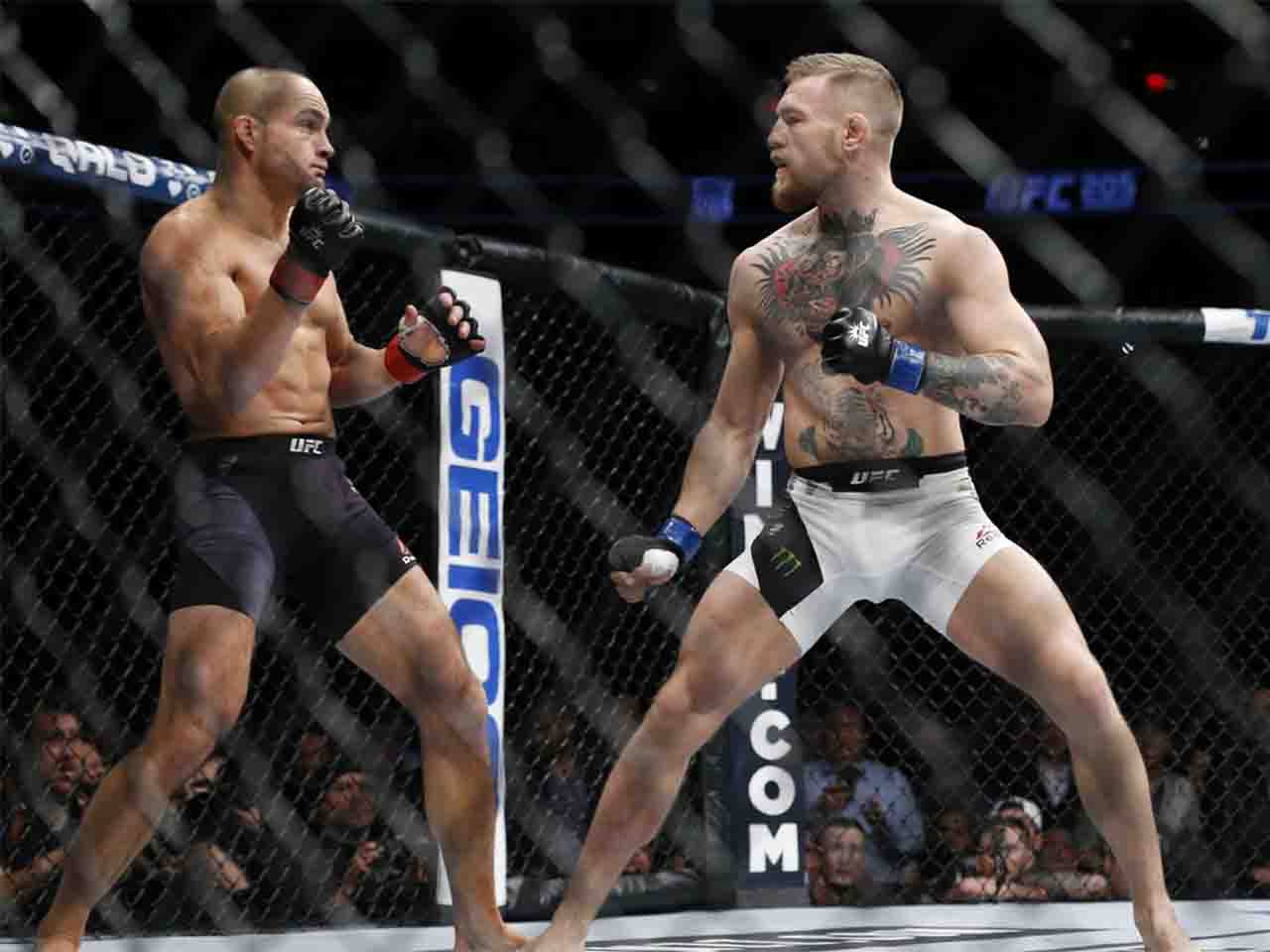
But why don’t other forms of combat like Mixed Martial Arts, Muay Thai or Jiu Jitsu share a similar level of popularity?
I personally believe its down to a few factors.

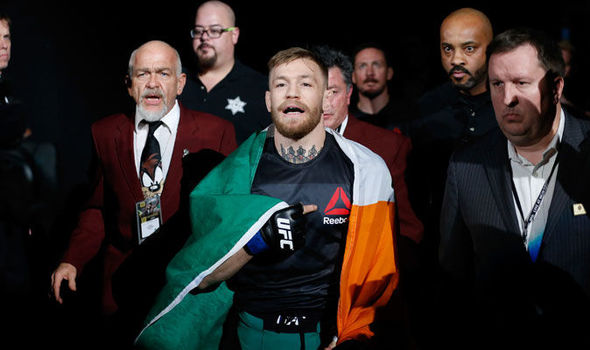
The first of these, being that fights in any discipline have now become big spectacle events.
Even smaller local shows can feel a lot like big events with the walkouts, lighting rigs and overall production value.
Combat sports operate on scarcity. A fighter can compete maybe three times a year if everything goes perfectly, damage is the overall dictator which controls the calendar.
That scarcity forces every event to feel monumental, other sports like football and rugby, by contrast, thrive on repetition on a weekly basis. Combat sports build hype. Team sports build habit.
This exclusive nature breeds combat events to feel larger than they often are.
Another factor I’d like to introduce is that most sports are easy to understand, with little to no reading required to get a good understanding of what’s going on.
Unlike boxing’s simplicity, MMA, Muay Thai and Jiu-Jitsu involve layered scoring systems and technical exchanges that can prove challenging for new/casual viewers to follow.
In Boxing it’s quite simple, throw punches and make sure you don’t get hit in return – it’s easy to understand rule-set makes it more TV-friendly and easier for people to get into the sport.

Another reason is the lack of coverage we see to do with combat sports.
For whatever reason, smaller sports-based publications and some larger ones too fail to pay any interest into these sporting disciplines, despite the attention that is present around the sport.
Coverage is few and far between within the world of British MMA. The top of the food chain sits Tom Aspinall, who is always being spoken about in the media with the likes of BBC Sport and TNT frequently reporting on him.
He even has a TV show on the latter’s’ TV broadcaster, but the other British lads coming up the ranks fail to reach that same level or a similar level of attention by the press.
Without the media’s backing, especially in your own country, there of course will be an invisible barrier which will place limitations on how far these men and women in the sport can grow and succeed.
We are seeing more interest from the British public in terms of combat sports. Gyms around the country are being built regularly and classes are full, with many gyms having to place numerous sessions on daily to accommodate.
The UK is producing more fighters than ever. It just doesn’t quite have the ecosystem to turn that participation into a regional movement; the framework just doesn’t seem to be there.
Most British children are introduced to football and rugby before they can even understand all the different nuances of a league table. Very few are introduced to MMA or Muay Thai in a structured educational setting – exposure does help to shape a culture.
Years ago, boxing benefited from decades of free-to-air exposure, whereas MMA largely lives behind paywalls. If you don’t actively seek it out, you may never see it. By contrast, football is largely unavoidable.

British sporting attitudes is something that is steeped in over hundreds of years of history, the promotion and relegation of the football pyramid in England.
If you’re a supporter of a certain football club, you don’t just stop supporting your team because of a bad game or a bad season, however, this attitude is completely different in combat sports.
A football team doesn’t need to keep you entertained off the pitch – its history, badge, and community are enough. But a fighter does. A fighter must sell the fight, promote themselves and give fans a reason to care every single time.
In football, you inherit a club for life; in combat sports, loyalty is more fragile.
There isn’t a British MMA league where Manchester faces Bristol and Liverpool faces Ipswich every month in a structured, season-long format. There’s isn’t league table. No running narrative for people to attach onto.
Instead, they must attach to the fighters themselves. It’s the fighter’s jobs to keep the fans on the hook, to ensure viewers cough up the money to watch them fight every time they do so.
Combat sports aren’t dead in this country. They aren’t fading into irrelevancy. They are just so different to what we are used to in the sporting world.
In Britain, we attach our personalities to institutions, to league tables, to the fairness of promotion and relegation, to rivalries that outlive our own generations.
We love an institution that we can fall in love with, and we can make our identity. We aren’t used to doing that with individuals.
Britian has always historically loved a fighter.
But it loves to back a badge even more.