
Last week, football’s independent regulator released a damning report that said 94 per cent of clubs in England’s top five leagues are loss-making.
On top of that, it was also revealed that 17 EFL clubs would still lose money even if they didn’t pay their players, while more than a quarter wouldn’t exist for more than a month if owner funding was withdrawn. This all points to a pyramid broken by greed and a desire to win no matter what the cost.
But, how did it get to this point, how has it affected clubs below the top five leagues and what are some clubs doing to remain sustainable?

It isn’t a new thing that football clubs are losing money with even Lincoln City, who are considered one of the EFL’s more sustainable clubs, losing over £2 million in each of the last two years. And the same applies to non-League football where no figures are released but there are plenty of cases of clubs spending beyond their means. However, on the contrary to that, Thackley AFC compete in the NCEL Premier Division, the ninth tier in England, and are one few clubs that manage to break even annually and their treasurer David Stott said: “We are not one of the highest expenditures of player expenses within our league.”
Even at their level, the Dennyboys struggle to compete with the amount that other clubs are spending just two years after finishing in the play-offs. Stott added: “We are restricted a little against other local clubs for player retention because it is no secret within the non-league system that some clubs have financial benefactors who throw large amounts at the playing budget, often at the detriment to the facilities.
“These clubs often climb the pyramid and find the ground facilities not up to standard and struggle to continue.”
Therefore, does that suggest that the problem in football lies in clubs being too desperate for success too quickly and instead don’t think about the bigger picture? Those mistakes seem to be continuing in the EFL, as 20 clubs spend over 80 per cent of their revenue on player wages. Stott then spoke on how Thackley avoid those mistakes when he said: “Our biggest benefit comes because our model does not use the option of a money man to have a playing budget beyond what we can afford within the current income stream.”
There are many examples of football clubs going bust due to mistakes from their owners, or owners pulling away such as at Eccleshill United, Telford United and Scarborough FC. Then looking further up the pyramid back into the football league there is also Bury FC, Macclesfield Town and very nearly Sheffield Wednesday last season.
“That is because if the benefactor pulls out of a club, at any level, the club can find themselves having to fold, sometimes during the season.” Thackley’s point was echoed by the independent football regulator chair, Davod Kogan, who said: “32 clubs are operating on only 30 days’ worth of cash.
“Therefore, if the owner chooses not pay what is owed at the end of the month, those clubs will go bust.”
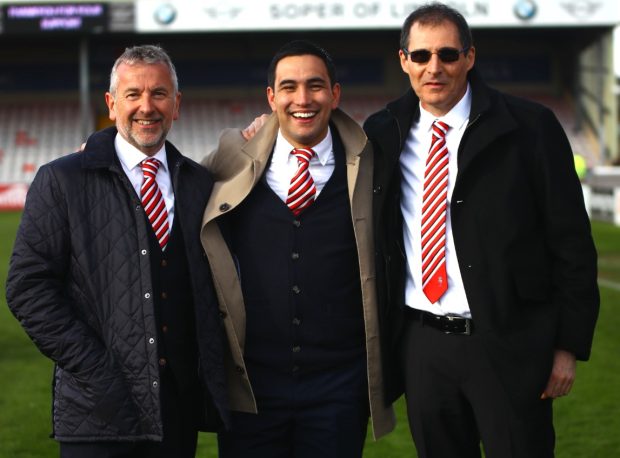
However, Lincoln City won promotion from SkyBet League One last season making losses over £10million less than the six sides before them. Their CEO, Liam Scully spoke to Look North and said: “Very few Football Clubs would survive without their owners, but we are trying to punch above our weight and do that in the right way.”
Doing it the right way, seems to be where many clubs are going wrong, as part of that independent report, it was also revealed that 60 per cent of clubs have no real business plan at all. Stott then spoke on how Thackley break even and said: “We are a committee run club that continues to run on the principle of full sustainability.
“That ensures we do not overstretch our means year on year. We are lucky to own our own ground and land so we are pursuing projects, that will significantly increase our revenue yet still be self-sufficient and be of benefit within the community.” Thackley have shown that it is possible to compete in football without spending more than you are bringing in, while Lincoln managed to succeed without spending more than you can afford. So, is the problem simply that football is moving too quickly and needs to slow down before too many clubs are left behind?